
Whether you're buying your first home, an investment property, or a fixer-upper to resell, you can find the best return on investment in homes with untapped potential. Real estate searches conducted

Dated: June 4 2022
Views: 90
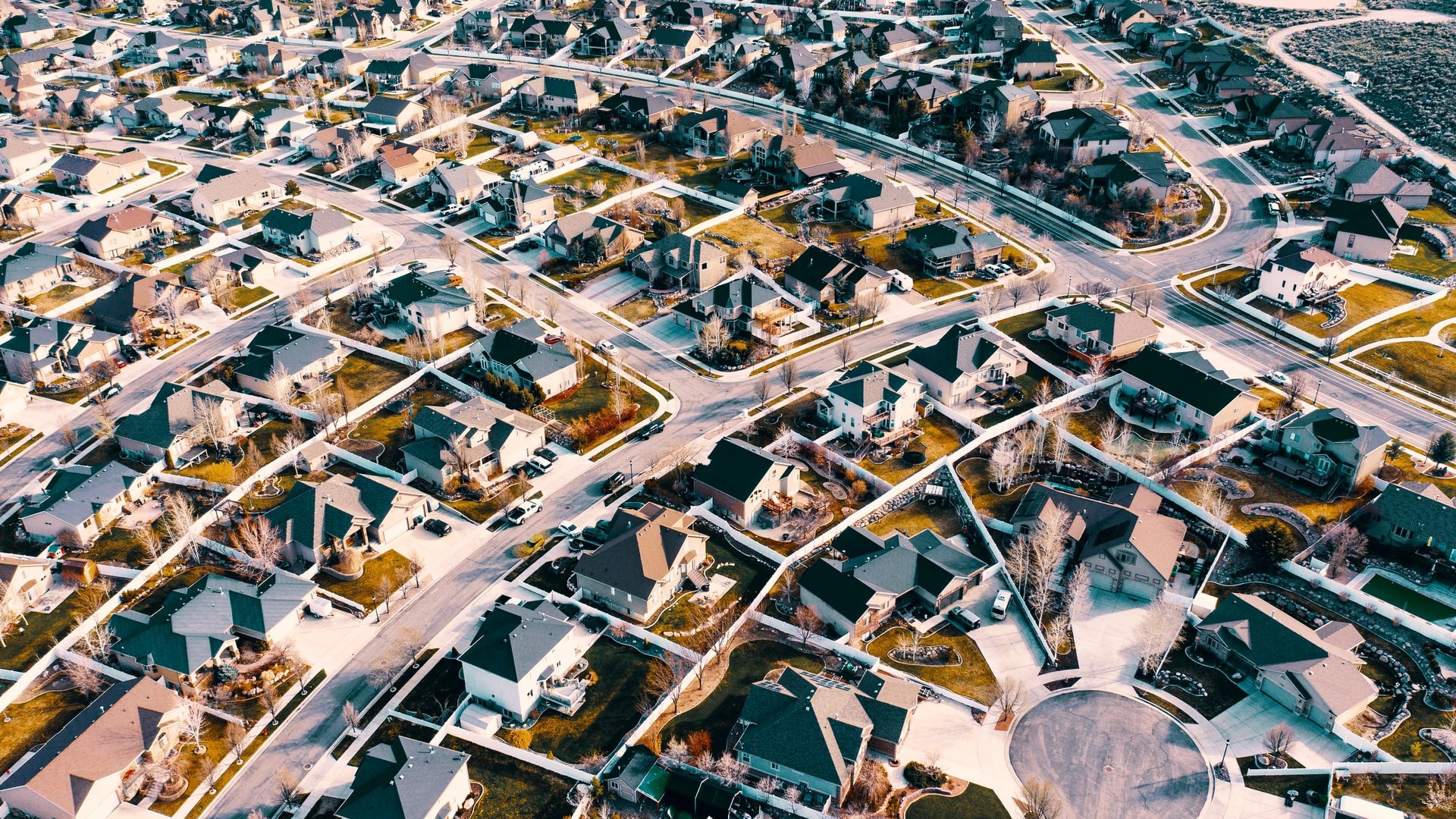
Featured image
Alt-tag: A bird’s-eye view is a great way to research a neighborhood
Once you have finally sold your current home and you’re moving somewhere new, you’re not only moving to a new property—you’re also going into a new community. When it comes to your new home, you have the power to do whatever you want with it. You can make adjustments that will make it feel like a home. However, you don’t have the same power over the community or the neighborhood that you move into. For this reason, it is in your best interests to do a bit of scouting and research on a broader scale. With that said, here is how to research a neighborhood before buying a house.
1. Inquire with Your Real Estate Agent
The first and the most logical thing you can do is ask your real estate agent about the neighborhood. Your real estate agent is a useful resource, so don’t be hesitant to ask questions about the area you’re looking at. In many situations, your agent may want to take you on a tour of the communities you’re interested in. If they don’t, feel free to ask them to give you a tour. A tour of this nature will give you an insider’s perspective on the neighborhood you are planning to move into. You should use this opportunity to discuss all of the advantages and possible downsides of moving there.
2. Go for a Walk by Yourself
Often, the best way to get a sense of an area is to experience it for yourself. A quick stroll alone or with a partner may reveal a lot about a neighborhood. The main thing you should try to gauge with this walkthrough is how it makes you feel. Most people get caught up in statistics and second-hand opinions that they forget to consider how something makes them feel. When you walk through a neighborhood, you will get a sense of what it’s like to live there, if it’s pleasant or not. It’s also a terrific opportunity to take in the views and look into restaurants, boutiques, and recreational opportunities.

Alt-tag: People walking on a sidewalk near several shops and restaurants.
Caption: A simple walkthrough is a great way to research a neighborhood.
Walks may also highlight the negative. Is there a lot of garbage lying around? Are the streets congested and dangerous to cross? As we’ve mentioned before, looking at images of an area or speaking with a local real estate agent won’t always tell you the whole story. On the other hand, a stroll will enable you to immerse yourself in an area and have a more nuanced understanding of what you would be getting into if you moved there.
3. Put Your Commute to the Test
Your daily commute might significantly influence your overall quality of life. While a Google Maps search may show you what your route will look like and how long it will take, a far better choice is to personally test-drive your commute, whether by vehicle, bike, foot, or public transportation. Even better, schedule your test run at a time when you’ll be commuting to or from work. In addition to determining if it’s a commute you’d be comfortable making every day, consider facilities along the route and whether you’ll have to pass through regions that might slow you down. Some of the regions that can influence your commute times are school zones and intersections. Furthermore, if you’ll be utilizing public transportation, try to gauge how busy it will be when you’re going.
4. Make Sure that the Neighborhood Is Safe
There are many things to take care of after you move into your new home. It can be a stressful period. Unfortunately, the safety of one’s home is one of the most significant stressors for people after they move in. It should come as no surprise. You will be relocating to a new home and neighborhood with which you are unfamiliar. However, if you want to reduce stress, you should conduct some research on the safety of the community into which you are moving. No area is devoid of crime, but some are more so than others. The one resource that will help you the most with this will be the local police station. You should call them or visit them and ask them for the crime statistics of the neighborhood you are moving into.

Alt-tag: A child swinging on a park swing.
Caption: One of the most important reasons to research a neighborhood before buying a home is to see if it’s safe.
5. Research the Schools in the Neighborhood
The state or provincial government’s Department of Education is the best source to acquire information about the school system in your new area. You may visit its website, but a personal phone call will most likely provide you with additional information specific to your case. That’s also an excellent way to find out where the local schools are in the new area. With this information, you can figure out how simple or difficult it will be for your kids to go to school.

Alt-tag: Children doing schoolwork.
Caption: You can use Google to find all schools in or near the neighborhood where you are moving.
6. Consider the Local Real Estate Activity
Look at real estate information websites like Zillow, Redfin, realtor.com, and Trulia to check how many properties are presently for sale or rent on your possible street, as well as recent transactions. Too many may suggest a prospective reduction in property prices. At the same time, too few may indicate that the region is densely populated. Consumer-facing real estate websites may not always give a complete picture of real estate sales and listings, so ask your real estate agent about activity in the area. Your realtor may also be able to give a more sophisticated analysis of what’s going on and if there are signals that the value of your future property may fall. Even experts from Strong-Ass Movers sometimes get asked about Real estate activity from time to time by their clients.
7. Examine Online Resources
The most obvious way how to research a neighborhood before buying a house is to do online research. We are mentioning this method as the last one because, even though it will only give you a surface level of understanding about the neighborhood you are moving into, it is still an invaluable resource. You may also be interested in certain concrete statistics that you will not necessarily get insight into by visiting your prospective area in person. However, when looking at facts about a neighborhood, school, or city, take it with a grain of salt. Data gathering, algorithms, and statistics, especially when it comes to crime data or projections, may have an unnoticed or unjustified bias.
Meta Description: If you want to avoid buyer’s remorse after purchasing a home, here is how to research a neighborhood before buying a house.
Keyword: Research a neighborhood
Images used:
https://unsplash.com/photos/2osRMlJLdbU
https://unsplash.com/photos/If3UEQxyvHw
Whether you're buying your first home, an investment property, or a fixer-upper to resell, you can find the best return on investment in homes with untapped potential. Real estate searches conducted
Whether you're buying your first home, an investment property, or a fixer-upper to resell, you can find the best return on investment in homes with untapped potential. Real estate searches conducted
Due to its Southern charm and welcoming small-town environment, Asheville, North Carolina, has grown in popularity as a destination to reside in. Asheville is highly known for its thriving arts
Due to its Southern charm and welcoming small-town environment, Asheville, North Carolina, has grown in popularity as a destination to reside in. Asheville is highly known for its thriving arts
 Canopy MLS® Copyright ©2026 All rights reserved.
33. Required DMCA Notice
The Digital Millennium Copyright Act of 1998, 17 U.S.C. §512, the DMCA, provides recourse for copyright owners who believe that material appearing on the Internet infringes their rights under U.S. copyright law. If you believe in good faith that any content or material made available in connection with our website or services infringes your copyright, you (or your agent) may send us a notice requesting that the content or material be removed, or access to it blocked. Notices must be sent in writing by email to DMCAnotice@MLSGrid.com. The DMCA requires that your notice of alleged copyright infringement include the following information: (1) description of the copyrighted work that is the subject of claimed infringement; (2) description of the alleged infringing content and information sufficient to permit us to locate the content; (3) contact information for you, including your address, telephone number and email address; (4) a statement by you that you have a good faith belief that the content in the manner complained of is not authorized by the copyright owner, or its agent, or by the operation of any law; (5) a statement by you, signed under penalty of perjury, that the information in the notification is accurate and that you have the authority to enforce the copyrights that are claimed to be infringed; and (6) a physical or electronic signature of the copyright owner or a person authorized to act on the copyright owners behalf. Failure to include all of the above information may result in the delay of the processing of your complaint.
